

Quick Overview:
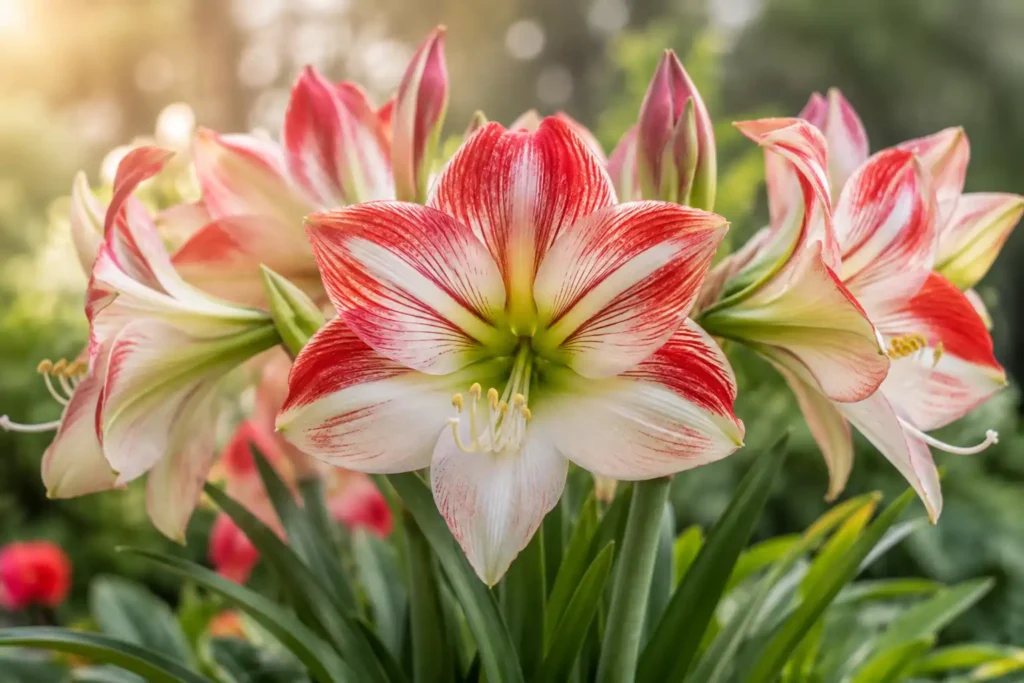
אמריליס יפהפה (botanically known as Amaryllis belladonna, or commonly called the Jersey Lily and “Naked Lady”) is a remarkable flowering bulb native to South Africa. Celebrated for its dramatic late-summer blooms, this plant shoots up tall, leafless stalks topped with clusters of fragrant, trumpet-shaped pink flowers long before its foliage appears. It thrives in full sun, requires very well-draining soil, and depends on a dry summer resting period to bloom reliably year after year.
The botanical world is packed with surprising plants, but few put on a late-season show quite like אמריליס יפהפה. Just as the warm days of late summer begin to wind down and most garden borders lose their color, this remarkable bulb wakes up underground. Within days, smooth reddish-green stems burst straight out of dry, bare earth—completely free of leaves—and open into clusters of vibrant, sweet-smelling pink flowers.
Because its flowers and foliage appear at entirely different times of the year, understanding how to grow אמריליס יפהפה is a uniquely rewarding experience. Once you learn its simple seasonal cadence—when it wants to grow, when it wants to bloom, and when it needs to be left completely alone—it will thrive in garden beds, rock borders, or container pots for decades with very little effort.
Whether you are an avid home gardener looking to add late-season color to your flower beds or a indoor container enthusiast looking for a fragrant patio plant, this comprehensive guide covers everything you need to know about planting, feeding, protecting, and propagating אמריליס יפהפה.
Understanding the 4-Season Growth Cycle
To keep אמריליס יפהפה happy, you must align your watering and care routine with its natural four-stage lifestyle. Unlike typical flowering plants that produce stems, green leaves, and buds simultaneously, this plant separates its leaf growth and blooming phases into two distinct seasons.
A Year in the Life of אמריליס יפהפה
Stage 1: Winter to Spring (Foliage & Energy Gathering)
Active Growth
Lush, strap-like green leaves emerge from the ground. During these months, the plant uses sunlight to soak up energy and feed the bulb underground. Soil should be kept moderately moist.
Stage 2: Early Summer (Summer Nap / Dormancy)
Resting Period
As warm weather arrives, leaves yellow and die back completely. The bulb enters a deep sleep underground. All watering must stop completely during this rest period.
Stage 3: Late Summer to Early Fall (The Grand Bloom)
Showtime!
Sturdy 18-to-24-inch leafless flower stalks shoot up rapidly from the soil. Clusters of 2 to 12 sweet-scented pink trumpet flowers open and last for weeks.
Stage 4: Late Fall (Seed Formation & Rooting)
Transition
Spent blossoms fade away. Underground roots awaken in response to autumn moisture, anchoring the bulb and preparing to push up fresh foliage for the next cycle.
Figure 1: The natural seasonal progression of Amaryllis belladonna throughout the year.
Spotting the Difference: אמריליס יפהפה vs. Dutch Indoor Amaryllis
A common point of confusion among plant lovers is telling true אמריליס יפהפה apart from the holiday potted amaryllis sold in store kits during winter. While they belong to the same broader botanical family, they are completely different plants with different needs:
| Plant Characteristic | אמריליס יפהפה (True Belladonna) | Dutch Potted Amaryllis (Hippeastrum) |
|---|---|---|
| Native Origin | South Africa (Cape Region) | Central & South America |
| Natural Blooming Time | Late Summer into Early Autumn | Late Winter to Spring (Forced indoors) |
| Foliage Sequence | Flowers appear on bare stems first (“Naked Lady”) | Leaves grow together alongside flower stems |
| Stem Structure | Solid, sturdy, dark purplish-green stem | Hollow, light green tubular stem |
| Fragrance | Strong, sweet bubblegum-like scent | Usually scentless or very faint |
| Garden Hardiness | Resilient outdoor perennial in mild climates | Tender tropical houseplant |
Ideal Soil, Sunlight, and Planting Environment
Because אמריליס יפהפה originates from sunny, rocky South African hillsides, giving it similar growing conditions is the key to achieving huge annual blooms. Here is how to prepare the ideal home for your bulbs:
1. Sunlight Needs
These plants thrive in full sun! Place them in a spot in your yard, garden border, or patio that gets at least 6 full hours of unshaded sunlight daily. Sunlight is essential for building up energy inside the bulb. In cooler regions, planting them near a south-facing wall helps absorb extra heat.
2. Perfect Soil Drainage
If there is one thing this plant cannot stand, it is soggy, waterlogged dirt. Standing water causes bulb rot very quickly. Soil should be loose, sandy, or gritty. If your yard has heavy clay soil, mix in coarse sand, pumice, or fine garden gravel to create a light texture where water drains away instantly.
3. Planting Depth and Spacing Guide
- In Outdoor Garden Beds: Dig a shallow hole and place the bulb so that its pointed top neck rests right at or slightly above the soil surface. Leave about 8 to 12 inches of space between multiple bulbs to give them room to form clusters.
- In Containers & Pots: Choose a deep, heavy ceramic or terracotta pot with drainage holes in the bottom. Use a soil mixture made of 60% potting soil and 40% sharp sand or perlite. Make sure the bulb sits snugly—these plants bloom extremely well when their roots feel slightly cozy in a pot!
Simple Step-by-Step Care & Maintenance Routine
Taking care of אמריליס יפהפה is very straightforward once you get into the rhythm of its growth stages. Follow this simple guide throughout the year:
1. When and How to Water
Watering this plant is easy if you remember one golden rule: Water when leaves are green; leave dry when leaves disappear!
- Spring Care: When green leaves are growing vigorously, water the plant whenever the top 2 inches of soil feel completely dry.
- Summer Care: As soon as leaves turn yellow and wither away, stop watering completely! The bulb needs totally dry soil to enjoy its summer rest underground.
- Late Summer Blooming: When you see pink flower stems sprouting up from the bare soil, give the ground a gentle watering to help the trumpet blossoms open smoothly.
2. Feeding Your Bulbs
Feed אמריליס יפהפה during its winter and spring green leaf phase. Sprinkle an organic, low-nitrogen bulb food or compost mix around the base once a month. Avoid high-nitrogen fertilizers because they encourage excess leaf growth rather than strong flower buds.
3. Pruning and Tidying Up
Once the pink flowers fade in autumn, trim off the dry stem near the ground using clean garden shears. Never cut off yellowing green leaves early in spring—let them turn brown and dry out on their own so the bulb can soak up all its nutrients for the next bloom cycle.
How to Divide and Propagate Extra Bulbs
Over four or five years, a single parent bulb of אמריליס יפהפה will multiply underground, forming a dense cluster of smaller baby bulbs (known as offsets). Dividing these clumps gives you free plants to expand your garden beds or share with friends!
Step-by-Step Division Process
- Timing: Wait until late summer during the dry resting phase, right after flowers finish blooming or just before autumn root growth begins.
- Lifting: Carefully insert a garden fork several inches away from the plant clump and gently lift the bulb cluster out of the ground.
- Separating: Gently wiggle the smaller offset bulbs away from the larger mother bulb, making sure each baby bulb has its own healthy root base.
- Replanting: Replant the separated bulbs into sunny spots with well-draining soil at proper depth. Give them one light watering to settle the earth around their bases.
A Quick Note on Settling In
These bulbs dislike having their roots disturbed. Newly transplanted or divided bulbs often take 1 to 2 seasons to get comfortable in their new home before they start producing big flower clusters again. Be patient!
Common Garden Troubles and Prevention
Keep Away From Pets!
All parts of אמריליס יפהפה—especially the underground bulb—contain natural plant compounds that can cause stomach upset, vomiting, or lethargy in dogs and cats if ingested. Wear gardening gloves when handling bulbs and plant them out of reach of curious pets.
Keep your plants healthy by watching out for a few common garden issues:
- Slugs and Snails: Slugs love nibbling on tender young flower buds as they pop out of the ground in late summer. Protect your plants by sprinkling organic slug bait around the base or using copper tape along container borders.
- Bulb Rot from Wet Soil: Caused by too much water during the summer rest period. Ensure soil mixes are light and dry out fully during summer.
- Red Spot Fungus: Fungal spots occasionally appear on foliage during damp winter months. Avoid overhead watering and trim off badly affected leaves to keep air circulating around the plant.
Creative Ways to Use אמריליס יפהפה in Landscape Design
Because the flowers of אמריליס יפהפה grow on leafless stems, pairing them thoughtfully with other garden plants makes your yard look amazing:
- Pair with Groundcovers: Plant bulbs amongst low-growing evergreen groundcovers like Creeping Thyme, Sedum, or Mondograss. The green carpet covers the bare soil while letting pink trumpet flowers shoot up gracefully.
- Rock Gardens & Patio Containers: Their drought tolerance makes them perfect companions for rock gardens alongside lavender, rosemary, and sage.
- Fresh Cut Flower Vases: Harvest stalks just as the first flower bud begins to open. They make stunning centerpiece arrangements and easily last 10 to 14 days in fresh vase water!
Frequently Asked Questions (FAQs)
Q1: What does the Hebrew name אמריליס יפהפה translate to?
Answer: It translates directly to “Beautiful Amaryllis,” which matches its botanical species name, Amaryllis belladonna (“belladonna” meaning beautiful lady in Italian).
Q2: Why is it commonly called the “Naked Lady” lily?
Answer: It earned this fun nickname because its colorful pink flower stems pop out of the completely bare ground in late summer without any leaves around them!
Q3: Why did my אמריליס יפהפה fail to bloom this year?
Answer: The most common reasons are getting too much shade, being watered during its summer resting nap, planting the bulb too deep, or recent transplant shock after being moved.
Q4: How often should I water my plants?
Answer: Water regularly in winter and spring while green leaves are growing. Stop watering completely when leaves turn yellow and wither in early summer. Resume light watering when flower stems appear in late summer.
Q5: Can I grow אמריליס יפהפה indoors?
Answer: Yes, as long as you place the pot near a bright, sunny window that gets plenty of direct sunlight and respect its dry summer resting period.
Q6: How cold-tolerant are these bulbs?
Answer: They thrive outdoors in areas with mild winters. In places with freezing winter temperatures, grow them in containers and bring them into a sheltered frost-free spot for winter.
Q7: When is the best time of year to plant new bulbs?
Answer: The best time to plant them is during late summer while the bulb is resting, right before it pushes up flower stems or new autumn roots.
Q8: Should I trim off the flower stalk after blossoms fade?
Answer: Yes. Cut the dry flower stalk off near the soil base once blooming finishes so the plant doesn’t waste energy making seeds.
Q9: How deep should the bulb be planted in the ground?
Answer: Plant it shallowly so that the pointed neck of the bulb sits right at or slightly above the surface of the soil.
Q10: Do I need to dig up the bulbs every year?
Answer: No! They prefer staying undisturbed in the ground for years, growing into bigger, more dramatic flower clusters each season.
Final Thoughts
Growing אמריליס יפהפה (*Amaryllis belladonna*) is one of the most rewarding gardening experiences you can enjoy. Its unexpected late-summer colors, sweet bubblegum scent, and easygoing nature make it a true treasure in any sunny garden space.
By giving it plenty of direct sunlight, gritty well-draining soil, and letting it rest quietly in dry earth during early summer, you will enjoy its magical pink bloom show year after year!