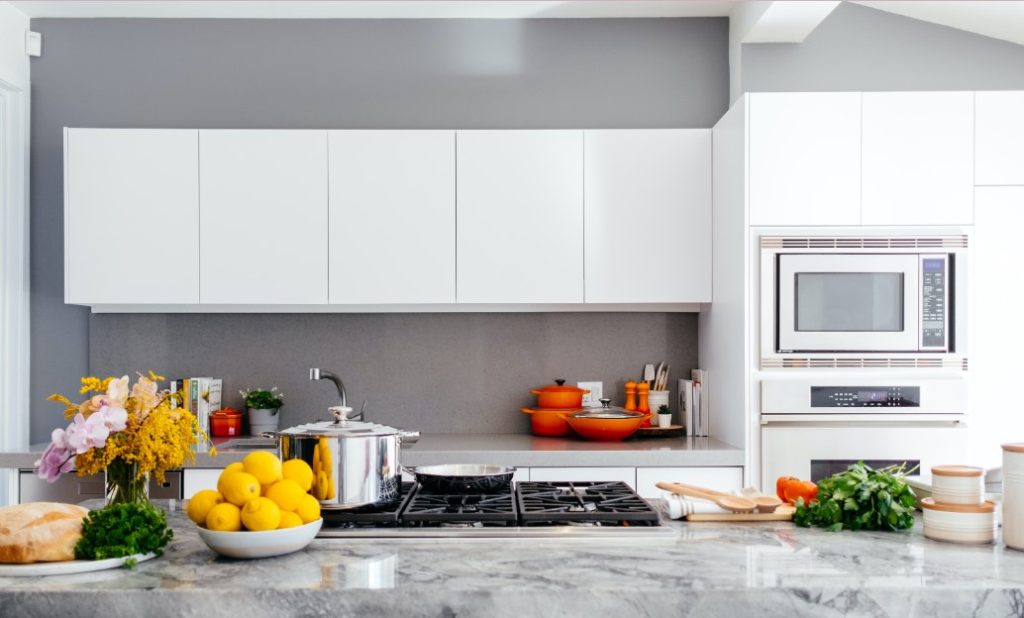

When it comes to home design and interior renovation, the kitchen is unquestionably the heart and soul of the modern household. It is where morning coffees are brewed, family recipes are passed down through generations, and late-night conversations naturally unfold. Among all the individual elements that define the aesthetics, function, workflow, and layout of a kitchen, kitchen cabinets play the single most defining role. They occupy up to 70% of the visible vertical wall surface area in a standard kitchen, dictate your day-to-day storage efficiency, and set the overarching architectural tone—whether you prefer a classic, rustic farmhouse feel, a sleek contemporary aesthetic, or a bold maximalist expression.
Updating or completely remodeling your kitchen cabinetry is consistently ranked among the highest-ROI (Return on Investment) home improvement projects you can undertake as a homeowner. However, with endless combinations of core materials, color palettes, door profile styles, hardware finishes, and smart hidden organization technology, selecting the right cabinet design can quickly feel overwhelming. To help you navigate this transformational journey, we have curated the ultimate, in-depth guide featuring 15 creative kitchen cabinet ideas that combine timeless elegance, structural durability, and cutting-edge modern functionality.
Why Your Choice of Kitchen Cabinets Matters
Before diving into specific design trends and ideas, it is essential to analyze why investing thought, planning, and budget into your kitchen cabinets is crucial for long-term home value. Kitchen cabinets serve three vital, non-negotiable functions in any modern home layout:
- Visual Anchor & Design Palette: Cabinets account for the vast majority of the visible surface area in a kitchen. The finish, color, and texture you choose for your doors will determine the overall ambiance, light reflection, and visual warmth of your entire home’s living space.
- Storage Efficiency & Ergonomics: A poorly designed kitchen leads to countertop clutter, wasted dead space, and daily physical strain. Smart cabinet layouts optimize the “kitchen work triangle” (stove, sink, refrigerator), streamline meal preparation, and maximize every single cubic inch of storage.
- Resale Value & Buyer Equity: High-quality, stylish cabinetry is one of the primary features potential real estate buyers evaluate. A well-designed, durable kitchen instantly elevates the market valuation of your property and drastically reduces time on the market.
15 Innovative Kitchen Cabinet Ideas to Transform Your Home
1. Two-Tone Cabinets (The Tuxedo Style)
The two-tone or “tuxedo” cabinet style has taken modern interior architecture by storm. By applying a darker color tone to the base cabinets and a noticeably lighter hue to the upper wall cabinets, you create a striking visual balance. This technique visually grounds the room while keeping the upper eye-level space feeling light, open, and expansive—making it a particularly effective design hack for kitchens with low ceilings or limited natural lighting.
Design Tip: Pair deep navy blue, charcoal, or forest green lower cabinets with soft off-white or cream upper cabinets. Complete the look with warm brushed brass or satin gold handles for a high-end luxury aesthetic.
2. Two-Tone vs. Monochrome Cabinets: A Detailed Comparison
To help you decide between a dynamic two-tone look and a seamless single-color design, evaluate the structural comparison below:
| Design Feature | Two-Tone (Tuxedo) Cabinets | Monochrome (Single Color) Cabinets |
|---|---|---|
| Visual Impact | High contrast, dynamic, contemporary, and eye-catching. | Cohesive, serene, minimalist, and visually seamless. |
| Perception of Space | Draws the eye upward when lighter colors are used for upper cabinets. | Creates a continuous flow; lighter monochrome shades expand small rooms. |
| Material Versatility | Allows effortless mixing of materials (e.g., natural wood base + painted uppers). | Provides a unified texture and single color palette across all walls. |
| Resale Appeal | Extremely trendy and highly favored by modern homebuyers. | Timeless, classic, and universally appealing across all demographics. |
| Maintenance Focus | Lower dark cabinets hide shoe scuffs; light upper cabinets require less dusting. | Requires uniform cleaning depending on whether light or dark paint is chosen. |
3. Glass-Front Cabinets for Display & Light Reflection
If you own beautiful chinaware, heirloom ceramics, or stylish glassware, glass-front cabinets offer the perfect architectural showcase. Glass door inserts break up heavy, continuous runs of solid wood, reflecting ambient and natural light throughout the room to create an illusion of greater room depth.
Glass Styles to Consider:
- Clear Glass: Ideal for meticulous organizers who want full, uninhibited visibility of curated tableware.
- Frosted or Fluted Glass: Perfect for concealing minor daily clutter while maintaining an airy, textured visual effect.
- Leaded or Mullion Glass: Excellent for introducing historic character and traditional charm to country or cottage-style kitchens.
4. Handleless Cabinets with Push-to-Open Latches
For purists of modern minimalism, handleless kitchen cabinets offer clean, completely uninterrupted lines. By eliminating external knobs, handles, and pulls, your kitchen achieves an ultra-streamlined, sleek aesthetic. Homeowners can select mechanical touch-to-open push latches or integrated “J-pull” grooves routed directly into the top edges of the cabinet doors.
5. Warm Natural Wood & Grain-Matched Veneers
While painted cabinets have dominated trends over the last decade, natural wood is making a massive, sophisticated comeback. Rich walnut, light white oak, warmth-infused cherry, and honey-toned maple bring organic warmth and physical texture into otherwise sterile white or grey kitchens. Grain-matched slab doors—where the wood’s grain flows continuously across adjacent cabinet faces—deliver a custom, high-end architectural finish.
6. Moody Dark Tones (Matte Black, Charcoal, Deep Navy)
Bold, dramatic, and undeniably luxurious, dark kitchen cabinets create an atmosphere of sophisticated intimacy. Deep charcoal grey, rich emerald green, matte black, and midnight blue serve as striking grounding backdrops when contrasted against white marble countertops, light quartz backsplashes, and reflective metallic hardware.
7. Open Shelving & Cabinet Hybrid Layouts
You do not have to choose exclusively between fully enclosed cabinets and floating open shelves. Blending both concepts offers the ideal compromise: fully enclosed upper and lower cabinets keep bulky appliances and daily groceries hidden, while open floating wood or metal shelves provide dedicated space to display cookbooks, decorative plants, and artisanal ceramics.
8. Fluted and Slatted Cabinet Fronts
Tactile texture is a defining element of contemporary architectural design. Fluted, tambour, or vertical slat cabinet fronts add depth and dimension, casting soft, shifting shadows across the kitchen as natural light changes throughout the day. This visual trend works exceptionally well on kitchen island bases or focal accent cabinets.
9. Floor-to-Ceiling Pantry Walls
Maximize your room’s vertical footprint by eliminating dead soffit space between upper cabinets and the ceiling. Installing full-height floor-to-ceiling pantry walls accommodates integrated wall ovens, pull-out spice racks, appliance garages, and bulk pantry storage—giving your kitchen a custom, built-in architectural look.
10. Flat-Panel Slab Doors for Sleek Modernism
Flat-panel slab doors feature smooth, completely unadorned surfaces without bevels, frames, or raised centers. They are exceptionally easy to wipe clean, cost-effective to manufacture, and provide a clean visual canvas that allows high-end wood grains, glossy lacquers, or bold paint colors to stand out.
11. Shaker Style Cabinets with a Modern Twist
Shaker-style cabinets remain the single most versatile and enduring choice in kitchen design history. Featuring a classic five-piece door with a recessed center panel, Shakers fit seamlessly into traditional, transitional, modern farmhouse, and coastal aesthetics. Modernize classic Shakers by opting for ultra-thin “skinny” frame profiles or deep jewel-toned paint colors.
12. Integrated Appliance Garages
Maintain pristine, clutter-free countertops by building dedicated appliance garages directly into your cabinetry layout. Equipped with lift-up pocket doors, tambour roll-up fronts, or bi-fold doors, these hidden compartments keep coffee machines, toasters, blenders, and air fryers plugged in and ready for use—yet totally hidden from view when idle.
13. Vibrant Jewel Tones and Pastel Accent Colors
Inject energy and personality into your living space by embracing expressive color choices. Dusty sage green, warm terra cotta, mustard yellow, and blush rose create memorable kitchens filled with personal character. If painting every cabinet in a bold hue feels overwhelming, apply vibrant colors exclusively to your central island cabinets while keeping perimeter cabinets neutral.
14. Metallic Mesh & Woven Cane Insert Fronts
Swap out standard solid door centers for woven cane, natural rattan, or antique brass wire mesh panels. These decorative inserts introduce an artisanal, bohemian, or vintage appeal. Furthermore, wire mesh and cane allow continuous air ventilation, making them practical choices for potato/onion drawers or bread storage cabinets.
15. Smart Pull-Out Corner Storage Solutions
Deep corner base cabinets are notorious for becoming dark, unreachable “blind spots” where kitchen items disappear. Upgrade these challenging spaces with modern mechanical pull-out swing trays, blind corner organizers, or tiered lazy susans to reclaim 100% of your usable corner storage capacity.
Comprehensive Cabinet Material & Construction Guide
Choosing the right structural core material for your cabinet boxes and doors dictates their overall lifespan, weight capacity, moisture resistance, and long-term maintenance needs. Below is an exhaustive structural breakdown:
| Material Type | Core Benefits & Advantages | Potential Drawbacks | Ideal Application & Best Suited For |
|---|---|---|---|
| Solid Hardwood (Oak, Maple, Cherry, Walnut) | Unmatched structural durability, long-term repairability, rich natural beauty, holds heavy weight. | High cost, susceptible to natural expansion and contraction in high humidity environments. | Custom luxury builds, traditional shaker styles, high-end stained door fronts. |
| Plywood (Marine/Cabinet Grade) | Exceptional strength-to-weight ratio, highly resistant to warping/moisture, holds screws tightly. | Slightly more expensive than engineered boards like MDF or particleboard. | Cabinet boxes/carcasses, sink bases, heavy drawer boxes, high-moisture regions. |
| MDF (Medium-Density Fiberboard) | Ultra-smooth surface, zero wood grain showing, will not warp or crack with humidity changes. | Heavier than plywood; difficult to repair if water penetrates raw unpainted edges. | Smooth painted cabinet doors, sleek modern flat-panel slabs, budget-friendly shaker doors. |
| Particle Board / Chipboard | Extremely economical, lightweight, widely available for modular flat-pack kitchens. | Prone to sagging under heavy loads over time; highly vulnerable to water swelling. | Budget rentals, temporary kitchen updates, low-moisture upper cabinet boxes. |
| Laminate & Thermofoil | Highly resistant to scratches, available in endless colors/prints, easily wiped clean. | Heat sensitive near ovens; delamination (peeling) can occur near steam over time. | Busy family kitchens, rental properties, budget-conscious contemporary slab looks. |
Selecting the Right Cabinet Door Construction Style
The structural style of how your cabinet doors mount to the box frame fundamentally impacts your kitchen’s overall look, storage capacity, and hardware cost:
1. Frameless (Full Access / European Style)
Frameless cabinetry eliminates the traditional face frame on the front of the cabinet box. The doors attach directly to the inside walls of the box using concealed hinges. This style offers maximum interior drawer width, full access to stored items, and a seamless modern aesthetic.
2. Face-Frame Overlay (Partial vs. Full Overlay)
In face-frame construction, a solid wood frame is attached to the front face of the cabinet box. Partial overlay doors leave 1 to 2 inches of the frame visible around each door, creating a traditional segmented look. Full overlay doors cover almost the entire face frame, giving a cleaner, semi-modern look while maintaining frame strength.
3. Inset Cabinetry
Inset cabinets feature doors and drawers that are custom-fitted to sit flush inside the face frame opening rather than resting on top of it. This classic style requires master craftsmanship and precise fitting. It yields a sophisticated, furniture-like appearance often found in historic, luxury, or high-end traditional kitchens.
Hardware Finishes & The “Jewelry of the Kitchen”
Cabinet hardware—knobs, handles, pull bars, and hinges—functions as the decorative jewelry of your kitchen space. Choosing the appropriate metallic finish ties together your plumbing fixtures, lighting, and appliances:
- Warm Brass & Satin Gold: Adds undeniable warmth and mid-century luxury. Pairs magnificently with dark green, navy blue, charcoal, black, and crisp white cabinets.
- Matte Black: Delivers sharp visual contrast against light-colored or natural wood cabinets. An absolute staple for modern industrial, Scandinavian, and modern farmhouse aesthetics.
- Polished Nickel & Chrome: Bright, reflective, and exceptionally durable. Offers a clean, timeless finish that works flawlessly in traditional, coastal, and transitional homes.
- Oil-Rubbed Bronze: Features deep brown tones with warm copper undertones. Complements Mediterranean, rustic, and traditional craftsman kitchen designs.
- Leather Straps & Wooden Pulls: Provides tactile softness and organic warmth. Perfect for Nordic-inspired minimalist spaces and eco-conscious interiors.
Ergonomics & Internal Cabinet Organization Hacks
A truly great kitchen is defined not just by how it looks on the outside, but by how efficiently it operates on the inside. Incorporating built-in storage accessories drastically improves daily workflow and keeps countertops pristine:
- Deep Base Drawers Instead of Shelves: Replace traditional lower cabinets with deep, full-extension drawers. Storing pots, pans, and heavy mixing bowls in drawers allows you to view and retrieve items without bending down or crawling into low cabinets.
- Pull-Out Trash and Recycling Bins: Conceal unsightly waste and recycling containers inside a dedicated pull-out base cabinet equipped with soft-close slides.
- Vertical Tray Dividers: Install vertical partitions inside narrow base cabinets to neatly organize baking sheets, cutting boards, serving trays, and cooling racks upright.
- Built-In Spice Pull-Outs: Place narrow 6-inch to 9-inch pull-out spice racks directly adjacent to your cooking range for immediate access to seasonings while cooking.
- Under-Sink Organization Trays: Utilize pull-out wire baskets and caddies designed specifically to navigate around plumbing pipes under the sink to keep cleaning supplies organized.
Step-by-Step Guide to Planning Your Kitchen Cabinet Remodel
To ensure your cabinet renovation runs smoothly on time and within budget, follow this strategic step-by-step roadmap:
Step 1: Assess Your Storage Needs & Cooking Habits
Take an inventory of your small appliances, cookware, dinnerware, and food storage needs. Identify pain points in your current kitchen—such as overflowing drawers, unreachable corners, or cluttered countertops.
Step 2: Establish a Realistic Budget Allocation
Cabinetry typically consumes 30% to 40% of a total kitchen renovation budget. Allocate funds appropriately between cabinet boxes, custom internal organization, quality hardware, and professional installation labor.
Step 3: Choose Between Stock, Semi-Custom, or Fully Custom Cabinets
- Stock Cabinets: Pre-manufactured in standard sizes (3-inch increments). Budget-friendly with fast lead times, but offers limited design flexibility.
- Semi-Custom Cabinets: Built to order with a wide selection of styles, finishes, and modifications. Great balance of quality, customization, and cost.
- Fully Custom Cabinets: Tailor-made by local woodworkers or high-end manufacturers to your exact dimensions and specifications. Unlimited design freedom at a premium price point.
Step 4: Measure and Draft Your Layout Plan
Accurately measure wall lengths, ceiling heights, window placements, and electrical/plumbing locations. Work with a kitchen designer or use 3D planning software to optimize the layout for safety and workflow ergonomics.
Step 5: Select Materials, Finishes, and Hardware
Order physical material samples (wood swatches, painted door blocks, hardware finishes, countertop slabs) to evaluate how colors look together under both natural sunlight and artificial kitchen lighting.
Step 6: Professional Installation
Ensure cabinets are installed level, plum, and securely anchored to wall studs. Precise installation prevents sagging, misaligned doors, and premature wear on drawer glides.
Cabinet Maintenance & Care Guide
High-quality cabinets represent a significant financial investment. Preserve their pristine condition and structural integrity by establishing a simple maintenance routine:
- Daily Cleaning: Wipe down handles, knobs, and door edges near the stove using a soft microfiber cloth dampened with warm water and mild dish soap. Avoid harsh chemical abrasive cleaners.
- Manage Moisture & Steam: Turn on your range hood exhaust fan whenever cooking to prevent grease accumulation and steam buildup on nearby upper cabinets. Promptly wipe away water spills near the sink.
- Care for Wood Stains: Condition natural wood cabinet doors annually using a gentle wood-safe cleaner or beeswax polish to maintain moisture balance and prevent wood drying.
- Adjust Hinges Periodically: Over time, door usage can cause hinges to loosen slightly. Use a screwdriver to periodically adjust concealed cabinet hinge screws to keep doors hanging perfectly flush.
Frequently Asked Questions (FAQs)
Q1. Is it cheaper to refinish existing cabinets or replace them entirely?
Ans: Refinishing or repainting existing cabinets is significantly cheaper—costing roughly 30% to 50% less than full replacement. If your current cabinet boxes are structurally sound and made of real solid wood or high-grade cabinet plywood, repainting or re-facing (replacing only the door fronts and applying matching veneer) is a highly cost-effective, eco-friendly makeover strategy.
Q2. What is universally considered the most timeless kitchen cabinet color?
Ans: Classic white, soft warm off-white, and natural light wood tones (such as white oak or light maple) are universally recognized as the most timeless options. They pair effortlessly with virtually any architectural style, appeal to future home buyers, and make kitchens feel significantly larger and brighter.
Q3. Should upper and lower kitchen cabinets always match in color?
Ans: No! Two-tone kitchens—where lower base cabinets are finished in a darker hue or natural wood stain while upper cabinets are painted in a light neutral—have established themselves as a lasting design standard. Mixing materials adds architectural depth, visual weight balance, and custom character to the room.
Q4. What is the standard height for installing upper cabinets above countertops?
Ans: The industry standard clearance height between the top of the countertop and the bottom of the upper wall cabinets is 18 inches. This provides ample headroom for countertop appliances like stand mixers and espresso machines while keeping upper shelves within comfortable reach for most adults.
Q5. How long should quality kitchen cabinets last?
Ans: Well-constructed custom or semi-custom cabinets made from solid hardwood and cabinet-grade plywood can easily last 20 to 50 years with proper care. Budget particleboard or thermofoil cabinets typically have a lifespan of 10 to 15 years before showing signs of wear or moisture degradation.
Conclusion
Upgrading your kitchen cabinets is an exciting opportunity to blend your unique personal style with functional storage solutions. Whether you choose the striking contrast of two-tone tuxedo cabinets, the tactile warmth of natural wood grains, the sleek simplicity of handleless slab doors, or the classic elegance of Shaker profiles, the key to success lies in balancing long-term durability, interior organization ergonomics, and aesthetic beauty.
Take time to carefully evaluate your family’s cooking habits, assess your total storage requirements, and select high-quality core materials designed to withstand daily heat, humidity, and wear. With these 15 inspiring kitchen cabinet ideas and comprehensive design guides, you are fully equipped to transform your kitchen into an organized, inviting, and valuable heart for your home that will serve you beautifully for decades to come!